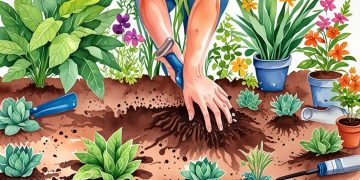
Selecting the Right Plants to Improve Soil Health in Beginner Gardens
Understanding soil health is crucial for beginner gardeners aiming to create vibrant gardens. By selecting the right plants—such as legumes, cover crops, and native varieties—gardeners can enhance nutrient availability, improve water retention, and foster biodiversity. Thoughtful plant choices lead to sustainable soil health and a thriving ecosystem.
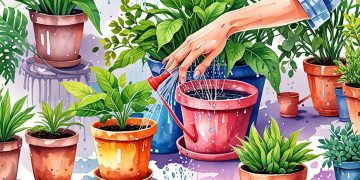
Hand Watering Methods: Practical Tips for Beginners in Plant Cultivation
This article provides beginners with essential hand watering methods to cultivate healthy plants. It highlights the importance of precision, flexibility, and monitoring plant needs while offering practical tips on tools, timing, and techniques for effective watering. Emphasizing a personal connection, it encourages adapting methods to ensure optimal growth and a flourishing garden.
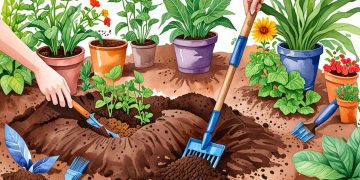
How to Test and Improve Soil Acidity for More Efficient Gardening
Understanding and managing soil acidity is essential for effective gardening. By testing soil pH levels and making necessary adjustments, gardeners can enhance nutrient availability and plant health. Utilizing methods like lime or sulfur amendments, along with regular testing, leads to more productive and vibrant gardens.
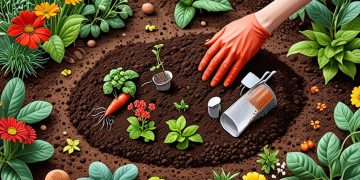
The Relationship between Soil Health and Biodiversity in Home Gardens: Cultivating a Healthy Ecosystem
Healthy soil is essential for cultivating vibrant home gardens, fostering biodiversity and enhancing overall ecosystem health. By understanding soil health's role in supporting diverse plant and animal life, gardeners can implement practices that promote sustainable ecosystems, improve plant resilience, and encourage a thriving environment in their backyards.
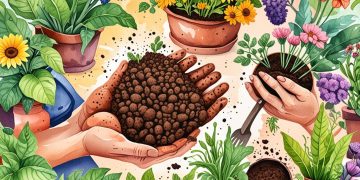
The Role of Soil Organisms in Home Gardening: Benefits for Beginners
Explore the crucial role of soil organisms in home gardening, highlighting their benefits for beginners. These unseen allies enhance soil fertility, improve structure, and aid in natural pest control, fostering a vibrant ecosystem for healthier plants and bountiful harvests while promoting sustainable gardening practices. Discover how nurturing these organisms elevates your gardening experience.
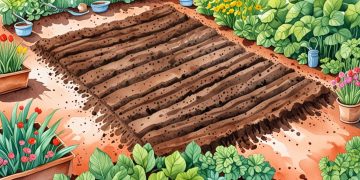
Crop Rotation Practices to Increase Soil Health in Home Gardens
Discover how crop rotation practices can enhance soil health in home gardens. This sustainable approach improves fertility, reduces pests, and builds a thriving ecosystem. Learn effective strategies for planning your rotations, incorporating cover crops, and maintaining soil health, fostering resilience and bountiful harvests for future generations.
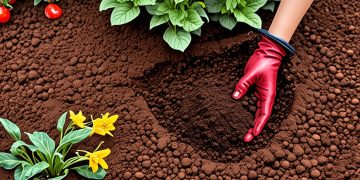
Simple Techniques to Improve Soil Health in Home Gardens: Practical Tips for Beginners
Improving soil health is essential for successful home gardening. Simple techniques like composting, mulching, and crop rotation can enhance nutrient levels, foster biodiversity, and create a thriving ecosystem. By adopting these practical tips, even beginners can cultivate robust soil that supports vibrant plant growth and sustainable gardening practices.
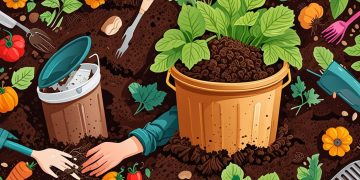
How Composting Contributes to Soil Health and Improves Home Gardening
Composting significantly enhances soil health, enriching it with nutrients, improving structure, and boosting moisture retention. This sustainable practice supports vibrant home gardens by promoting biodiversity and natural pest management. Ultimately, composting transforms organic waste into a valuable resource, fostering thriving ecosystems and sustainable gardening efforts.

Benefits of Soil Cover: How to Protect and Nourish Your Home Garden
Soil cover is essential for nurturing and protecting your home garden. It provides benefits like weed suppression, moisture retention, and nutrient enrichment, while fostering a vibrant ecosystem. By incorporating diverse materials, gardeners can create a sustainable environment that enhances plant health and promotes long-term garden success.
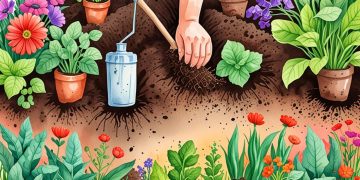
The Importance of Soil Health for Gardening Beginners: Fundamentals for Growing Healthy Plants
Soil health is essential for gardening beginners, serving as the foundation for healthy plant growth. Understanding soil structure, nutrient content, and microbial activity enriches the gardening experience. By prioritizing soil care and management, new gardeners can cultivate thriving plants and contribute to a sustainable ecosystem. Healthy soil leads to successful gardening.